
Building better relationships: Meaningful human connection
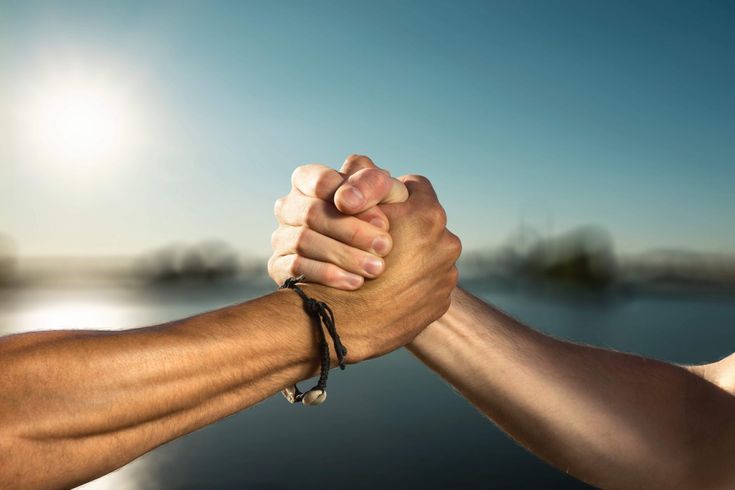
Human life is build over connections and bonds. From the initial phase of life which is the childhood to the experiences that happens throughout the life like having phase of adulthood, relationships always design and shape how we perceive others and how we see ourselves too. Due to this building better relationships is one of the most important skills and parts of person’s development.
Many people think that strong relationships grow on their own. While in real aspect, when we build relationships it takes lots of awareness, patience, time and consistent amount of efforts. Every talk, every understanding, and every act and action contribute towards the strength of a connection.
When individual start focusing over relationships, they get to see a lot of improvements in their overall life, from their social side to their mental well-beings. Healthy relationships create the sense of security around, a stable support, and a sense of belonging which helps in personal growth too.
Why Relationships Matters
Another reason for building better relationships matters because humans seek for natural understanding. Each one of us wants to be heard, respected, loved and valued.
Another reason for building better relationships matters because humans seek for natural understanding. Each one of us wants to be heard, respected, loved and valued.
Communication: The Heart of Relationships
The most powerful tool in relationship is communication. Many issues, misunderstandings occurs only because people fail to communicate clearly.
Open communications allows people to confront their thoughts honestly while also listening to others with all attention. When communication becomes thoughtful, meaningful and patient, building better relationships seems way easier.
Listening is important in this. Active listening is the key which show that a person values other’s perspective. Instead of interfering in between or preparing own response over it , truly hearing them builds up stronger connections. People who prioritize communication and connections would end up finding relationship building is a natural process and not a difficult task. Honest and clear convo creates no gap and prevents from the issues of communication bridges and the conflicts that come up with them.

The Role of Empathy
Empathy is another mark in building great relationships. It consists of understanding other’s emotions, feelings and their experiences even if you cant relate to them totally.
When empathy becomes a part in daily conversations, building better relationships gets easier because people feel supported after all. Empathy provides patient which reduces the unneeded conflicts.
For example, like someone is angry and they react strongly to an incident, empathy helps in pausing, understanding and considering about it.
Instead of responding with anger, we will act with curiosity and understanding.
Such type of approach grows and strengthens bonds emotionally and makes building better relationships more meaningful and long. Empathy reminds us that every one have their set of experiences and that we may not fully understand it.
Trust: The Foundation of Better Relationships
The foundation of relationship is termed as “trust”. Without trust factor even frequent interactions wont create strong bonds.
Trust develops honesty, security, reliability and etc. When someone works over their promises or words and respects on the boundaries and limits, trust naturally comes in. These small actions are very critical for building better relationships over gradual times.
However trust demands rawness and vulnerability too so that there is no fear of judgement and they can share whatever they feel like. This openness allows building better relationships to get deeper and strong with interactions over time.
When trust exists, relationships stands more stable and are supportive. Trust allows individuals to feel secure in their connections, making building better relationship more genuine.

Everyday Habits That Help in Building Better Relationships
Often, people assume that better relationships needs big gestures and actions. But in reality, small meaningful habits daily can create big impacts.
Simple actions like appreciating regularly, encouragement and being there for each other in convo or anything can improve relationships.
Helpful habits might be:
1.Expressing gratefulness regularly
2.Having clear conversations
3.Respecting boundaries
4.Giving real compliments
5.Spending good time together
6.Being attentive while listening to them
These practices gradually builds up connections emotionally and contributes to building better relationships in life.
Consistency is meant to be there which will make the relationships sustainable.
Self-Reflection and Building Better Relationships
One of the most looked aspect of relationship is self reflection. Understanding ourselves, reflections over our emotions and feelings, evaluating our behaviours and communication patterns can improve the way of interactions.
When people self reflect, they become more aware of their actions in the relationship. This awareness provides them the path to behave, respond with more consciousness, patience and understanding.
For example, someone realises that they act defensive while in a disagreement so that they can choose to pause before reacting. This small transformation can change difficult interaction and make building better relationships easy.
Self reflection also encourages in personal growth of an individual, which supports relationships with other naturally. When individuals start understanding themselves they start bonding with thoughtfulness.
Conclusion
Relationships are considered one of the most important aspects of a human life. They provide stability, validations, bonding, and many more chances to grow better. Because of all this, building better relationships should be known as an essential skill to live life.
Through empathy, communication trust and regular habits can begin building better relationships with lives surrounding them.
Efforts like these create deeper connections, healthier interactions and relationships that stay.
Although building better relationships might demand consistent effort and time the rewards of them would be long lasting. Strong relationships bring understanding, comfort and happiness in daily life.
In the end , relationships are not meant to be perfect, but is about choosing to rely, understand and respect wherever needed and support each other where every humans seeks up for a genuine relationship.
“Strong relationships are built when understanding becomes more important than winning an argument. ”